Candide
1/31Chapter 00
About
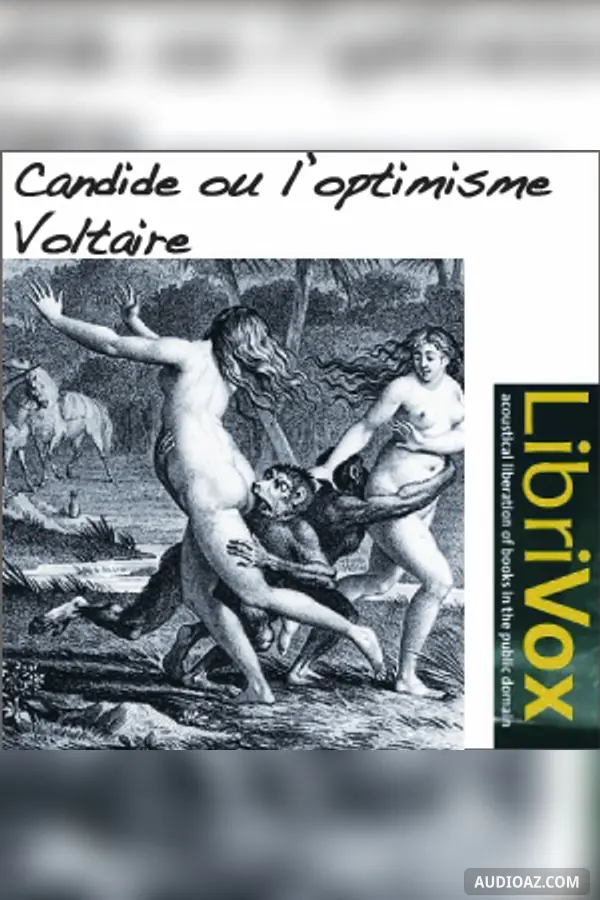
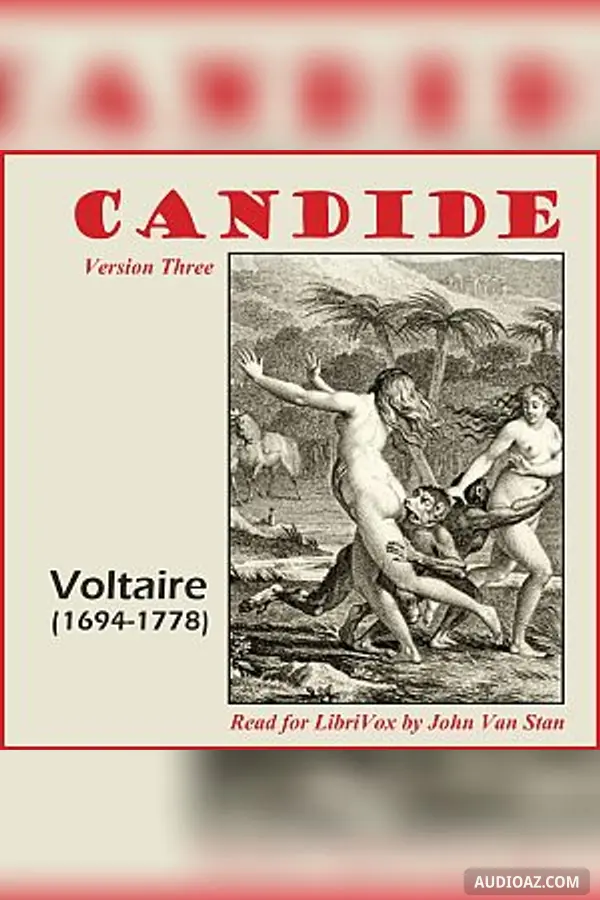
Candide, ou l’Optimisme, (“Candide, or Optimism”) (1759) is a picaresque novel by the Enlightenment philosopher Voltaire. Voltaire never openly admitted to having written the controversial Candide; the work is signed with a pseudonym: “Monsieur le docteur Ralph”, literally “Mister Doctor Ralph.”Sardonic in outlook, it follows the naïve protagonist Candide from his first exposure to the precept that “all is for the best in this, the best of all possible worlds,” and on through a series of adventures that dramatically disprove that precept even as the protagonist clings to it.The novel satirizes naïve interpretations of the philosophy of Gottfried Leibniz and is a showcase of the horrors of the 18th century world. In Candide, Leibniz is represented by the philosopher Pangloss, the tutor of the title character. Despite a series of misfortunes and misadventures, which include being present at the Lisbon Earthquake, Pangloss continually asserts that “Tout est pour le mieux dans le meilleur des mondes possibles” (“All is for the best in the best of all possible worlds”). The novel ends with Candide finally rejecting the optimism espoused by Pangloss, saying, “Il faut cultiver notre jardin” (“It is necessary to cultivate our garden”). Summary from Wikipedia
Comments
Be the first to comment
There aren't any comments on this content yet. Start the conversation!
Discover More


More from Voltaire